If your touch and display image are still perfect, a glass-only repair can be the most economical way to reduce risk of losing original color/touch tuning, but it only works when the damage is limited to the top glass. If you have dead pixels, lines, blotches, or touch issues, replacing the full display assembly is usually the safer, more predictable fix.
Quick verdict: which repair approach fits your needs
- Choose glass-only (refurb) when the image and touch are flawless and only the outer glass is cracked.
- Choose full display assembly when you see lines, black spots, flicker, dead zones, or unreliable touch.
- Glass-only can preserve the original panel, but quality depends heavily on shop tools and technician skill.
- Full assembly replacement is simpler to validate, faster in many shops, and more consistent across devices.
- If you need predictable durability and warranty handling, full assembly is typically lower risk.
How modern phone displays are constructed and why it matters for repairs
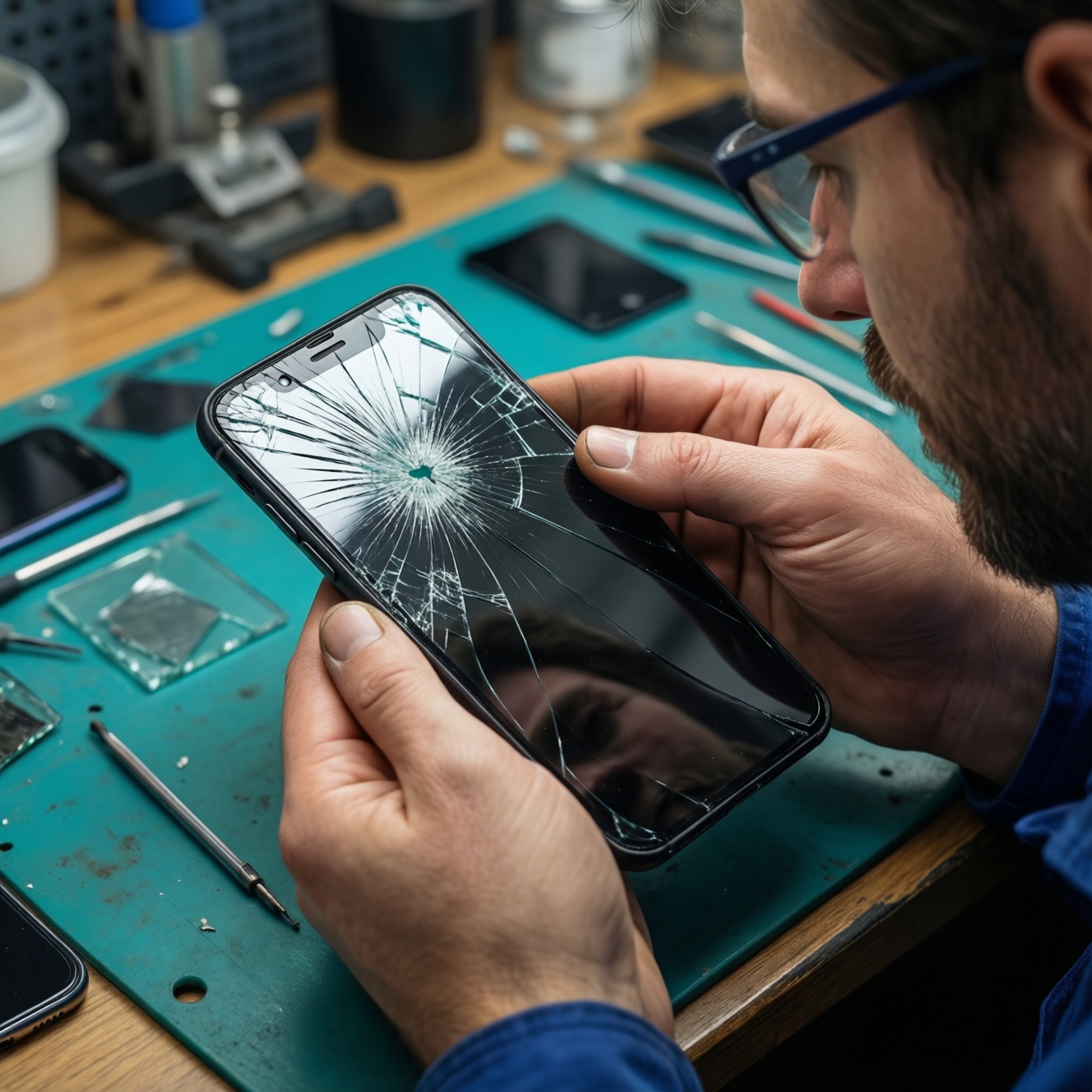
Most phones use a laminated "display stack": protective glass, adhesive/optical layer, touch sensor, and the display panel (OLED/LCD). A crack can be only in the glass, or it can propagate into the touch layer or the panel. Repair choice is basically a decision about which layers are replaced and how much re-lamination work is required.
Selection criteria to decide correctly (use 5-9 checks)
- Image quality now: any lines, flicker, green tint, black ink spots, bright patches, or dead pixels points to panel damage.
- Touch behavior: missed taps, ghost touches, dead zones, or jitter suggests touch-layer issues (often bundled with the panel).
- Crack pattern: spiderweb cracks without display artifacts can still be glass-only; deep impact points raise odds of underlying damage.
- Edge damage: cracks reaching curved edges or frame dents make glass-only harder and riskier.
- Water resistance needs: any screen opening compromises seals; the method that allows better gasket/seal restoration matters for your lifestyle.
- Device value and data sensitivity: higher-value phones justify more predictable parts and warranty terms.
- Part type availability: OEM/service pack vs aftermarket vs pulled parts changes outcomes more than the repair "type" itself.
- Time tolerance: glass-only may require re-lamination time; full assembly can be faster when parts are in stock.
- Warranty risk: understand what the shop covers (touch, brightness, fingerprint, frame gaps) and for how long.
Fast self-test before you ask for quotes
- Open a solid white image and a solid black image to spot spots, lines, uneven brightness.
- Drag an app icon across the whole screen to reveal touch dead zones.
- Type quickly on the keyboard to check missed keys/ghost touches.
Glass-only (refurb) repair: step-by-step, advantages and limitations
Glass-only repair means keeping your original display panel and (often) the original touch stack, removing the broken glass, then re-laminating new glass with optical adhesive. Many shops call this "refurb" or "glass replacement" and it is the scenario people mean when searching ซ่อมจอแตก เปลี่ยนกระจก ได้ไหม.
Typical process (what the shop actually does)
- Disassemble the phone and remove the display module.
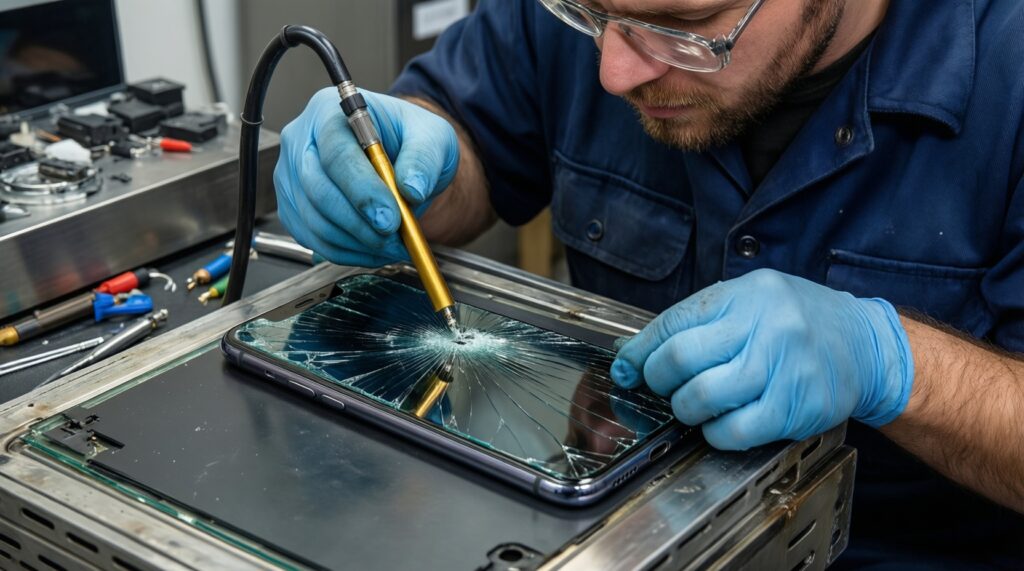
- Separate cracked glass from the display stack (heat + cutting wire / separator machine).
- Clean adhesive residue and inspect for panel micro-cracks.
- Apply OCA/LOCA and laminate new glass (vacuum laminator).
- De-foam/de-bubble (autoclave/pressure chamber), then reassemble and test.
Glass-only refurb: benefits, trade-offs, and warning signs
- Pros: can keep the original panel's color, brightness uniformity, and touch feel; potentially lower cost when eligible (what people mean by ซ่อมจอมือถือ เปลี่ยนกระจก ราคา).
- Cons: success depends on equipment and skill; higher chance of dust, bubbles, edge lift, or later delamination; not suitable if the panel is damaged.
- Red flags: shop cannot explain lamination method, offers "glass-only" despite visible lines/spots, refuses full-screen touch test, or won't specify warranty scope in writing.
Common glass-only variants you'll encounter (and when each makes sense)
| Variant | Who it fits | Pros | Cons | When to choose |
|---|---|---|---|---|
| In-house glass-only refurb (vacuum lamination + autoclave) | Users who want original panel and accept process dependence | Best chance to preserve original display quality | Outcome varies by technician; rework risk if dust/bubbles appear | Cracked glass only, perfect image/touch, reputable shop shows tooling and testing |
| Outsourced refurb (shop sends your screen to a refurb lab) | People prioritizing quality over speed | Lab-grade equipment may improve consistency | Longer turnaround; transport risk; harder warranty chain | You can wait and the shop clearly states who is responsible for after-service |
| Frame + glass refurb (glass-only but with frame correction) | Phones with minor frame bend causing edge lifting | Better seating, less chance of lifting at edges | More labor; still not a new panel | Crack + slight frame distortion, and the shop can demonstrate frame alignment tools |
| "Glass-only" with LOCA glue (liquid adhesive) | Budget-focused users on flat screens (case-by-case) | Can be cheaper and faster in some setups | Higher risk of glue bleed, haze, touch feel changes, and long-term yellowing depending on materials | Only if the shop has strong track record and provides clear warranty on bubbles/haze |
| Refurb using aftermarket glass quality options (standard vs premium) | Those sensitive to scratch resistance/oleophobic feel | Can improve feel if premium glass used | Hard to verify glass grade; coating may wear faster | Ask to compare oleophobic feel and confirm post-repair coating expectations |
Full display assembly replacement: what's replaced and the upside
Full assembly replacement swaps the entire screen module (glass + touch + OLED/LCD, sometimes with frame). It is what people usually mean by เปลี่ยนจอมือถือทั้งชุด ราคา, and it's the default "safe" approach when damage is not limited to glass.
What "full assembly" can mean in practice
- Display module only: panel/touch/glass pre-laminated as one unit.
- Display + frame: includes midframe; often reduces installation risk and improves alignment.
- OEM/service pack vs aftermarket vs pulled: this choice often matters more than whether it's "full assembly."
If..., then... scenarios (practical recommendations)
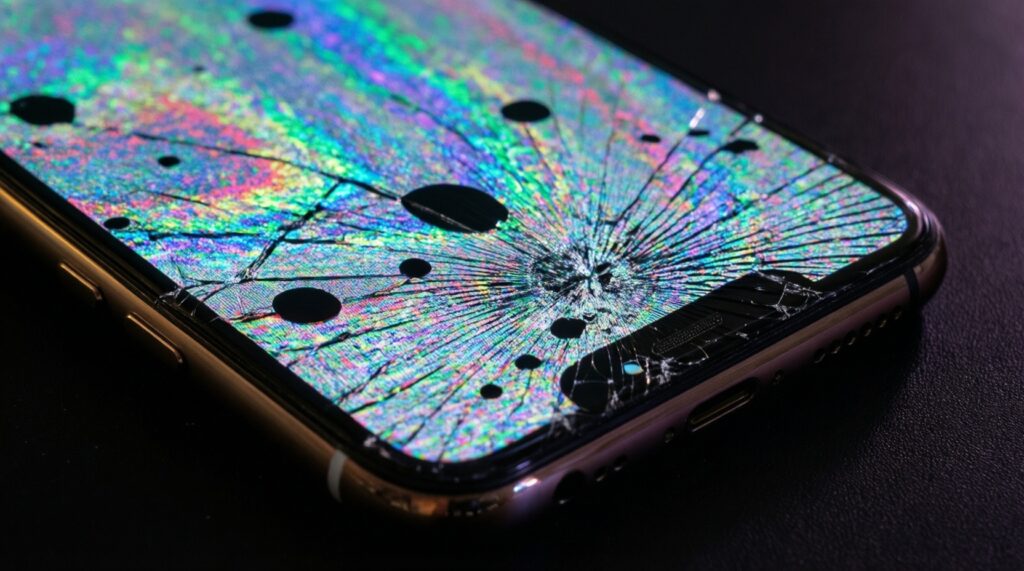
- If you see any lines, black spots, flicker, or color shifts, then choose full assembly (panel is likely compromised).
- If touch is intermittent or has dead zones, then choose full assembly (touch layer is commonly integrated).
- If your phone has a curved-edge screen or very thin bezels, then full assembly is often lower risk than separating glass.
- If you need fast turnaround (same day) and consistent QC, then full assembly is usually easier for shops to deliver reliably.
- If you rely on water resistance for daily use, then prioritize the option where the shop can restore seals properly and document pressure/seal checks (often easier with display+frame).
Full assembly replacement: strengths, compromises, and shop red flags
- Pros: more predictable result; fewer cosmetic defects like bubbles/dust; easier to validate immediately after repair.
- Cons: quality depends on part source; aftermarket panels can differ in brightness, color, and power use; may affect under-display fingerprint behavior depending on model/part.
- Red flags: seller won't disclose part type, avoids showing test results (brightness, touch, fingerprint), or offers unusually vague "original" claims without packaging/proof.
Side-by-side comparison: cost, turnaround, durability and performance
People often ask เปลี่ยนกระจกจอมือถือ กับ เปลี่ยนจอทั้งชุด ต่างกันอย่างไร. Use this selection algorithm to pick the option that's worth it for your case without guessing prices.
- Check display artifacts first: any lines/spots/flicker → pick full assembly.
- Check touch next: any dead zones/ghost touch → pick full assembly.
- If both are perfect: confirm it's truly "glass-only" damage → consider glass-only refurb.
- Verify shop capability: for glass-only, ask about vacuum lamination + bubble removal; for full assembly, ask part type (OEM/service pack/aftermarket/pulled).
- Choose based on risk tolerance: if you can't revisit the shop, prefer full assembly with clear warranty.
- Confirm post-repair tests: full-screen touch grid, brightness uniformity, proximity sensor, speaker mesh alignment, and (if applicable) fingerprint.
- Get the warranty terms in writing: what symptoms are covered, and whether labor is included on re-open.
Quick scanning comparison (no numbers, just risk profile)
- Glass-only refurb: potentially lower spend; higher process/QC sensitivity; best when eligible and done by a skilled lab.
- Full assembly: typically more predictable; faster when parts are stocked; risk shifts to part quality and compatibility.
Common risks: compatibility, calibration, touch issues and warranty traps
- Misdiagnosis: calling it "glass-only" while the OLED/LCD is already bruised under the crack.
- Hidden micro-cracks: the panel can fail days later after glass separation heat/stress.
- Dust/bubbles under glass: cosmetic issue that can become a functional issue near sensors/edges.
- Edge lifting: poor adhesive prep or a slightly bent frame causes the new glass/module to lift.
- Aftermarket panel mismatch: differences in brightness, color, refresh behavior, or power draw.
- Touch calibration quirks: uneven sensitivity near edges, ghost touches, or lag after non-OEM replacements.
- Fingerprint sensor performance: under-display sensors may need calibration; some panels/glass reduce reliability.
- Seal and water resistance assumptions: "waterproof" claims without proper sealing process and testing.
- Warranty traps: warranty covers "part only" but not labor, or excludes common symptoms like dead pixels or touch drift.
- Data/privacy handling: device passcode requests and unlocked device storage during repair without clear policy.
What to ask a ร้านซ่อมจอมือถือ เปลี่ยนกระจก ใกล้ฉัน before you hand over the phone
- Will you run a full-screen touch test and show me the result before and after?
- For glass-only: do you use vacuum lamination and a bubble-removal step (autoclave/pressure)?
- For full assembly: what part type is it (OEM/service pack/aftermarket/pulled), and what's the warranty scope?
- Will you replace seals/adhesive, and what checks do you do for gaps and dust?
- Can I keep the replaced part (if applicable) to verify what was changed?
Persona-based decision guide: saver, power user, business owner, reseller
Best for a saver: choose glass-only refurb only when image/touch are perfect and the shop can prove refurb tooling and QC; otherwise full assembly avoids repeat visits. Best for a power user: prioritize a high-quality full assembly (ideally OEM/service pack) to minimize touch/brightness surprises. Best for a business owner: choose full assembly with written warranty and fast validation to reduce downtime. Best for a reseller: prefer the option that yields the most consistent, easily explainable result on inspection-often full assembly unless you can document a clean refurb.
Practical concerns answered in one line each
ซ่อมจอแตก เปลี่ยนกระจก ได้ไหม if the screen still shows a perfect image?
Yes-if touch and display are flawless and the shop confirms it's true glass-only damage, refurb can be appropriate.
What symptoms mean I should replace the full display assembly?
Any lines, black spots, flicker, uneven brightness, dead pixels, or touch dead zones usually justify full assembly.
Why do quotes for ซ่อมจอมือถือ เปลี่ยนกระจก ราคา vary so much between shops?
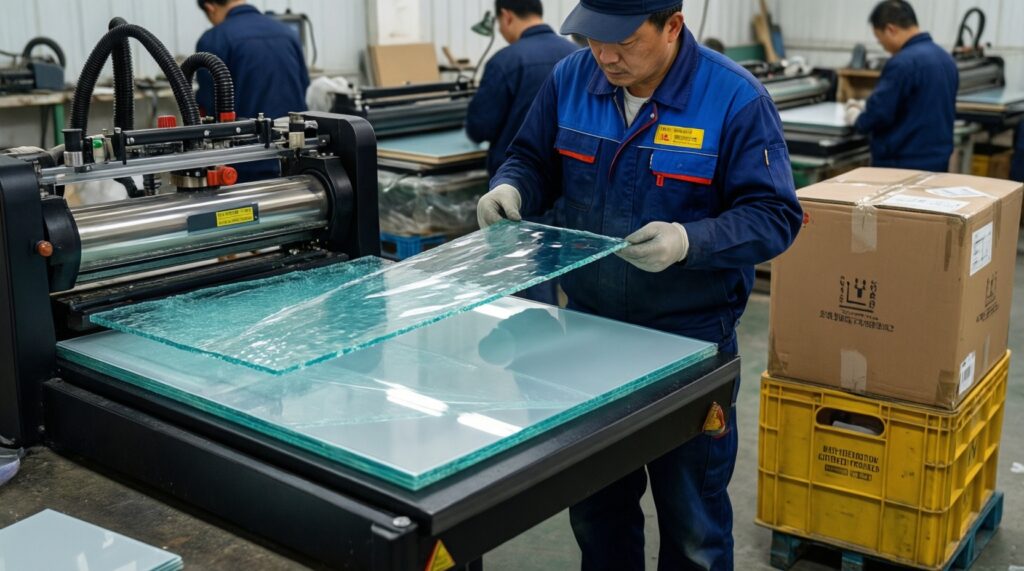
Because outcomes depend on equipment (vacuum lamination, bubble removal), glass quality, and whether the work is in-house or outsourced.
What affects เปลี่ยนจอมือถือทั้งชุด ราคา besides the phone model?
Main drivers are part type (OEM/service pack vs aftermarket vs pulled) and whether the module includes a frame.
How can I tell เปลี่ยนกระจกจอมือถือ กับ เปลี่ยนจอทั้งชุด ต่างกันอย่างไร in the final result?
Glass-only keeps the original panel (best when perfect); full assembly replaces the panel so results depend on replacement part quality.
How do I choose a ร้านซ่อมจอมือถือ เปลี่ยนกระจก ใกล้ฉัน without getting stuck with bubbles or dust?
Ask to see their lamination process, insist on before/after touch and display tests, and get bubble/dust coverage written into warranty.